
Back pain: finding the cause, not just the spot that hurts
Low-back pain is the most common reason adults first come to illumINNATE. Most of the time it is not a single injury but the result of segments of the spine that have lost proper movement over months or years, from sitting, lifting, stress or an old fall. We assess how each segment moves and how the nervous system is responding, adjust specifically, and give you a plan with your own numbers.
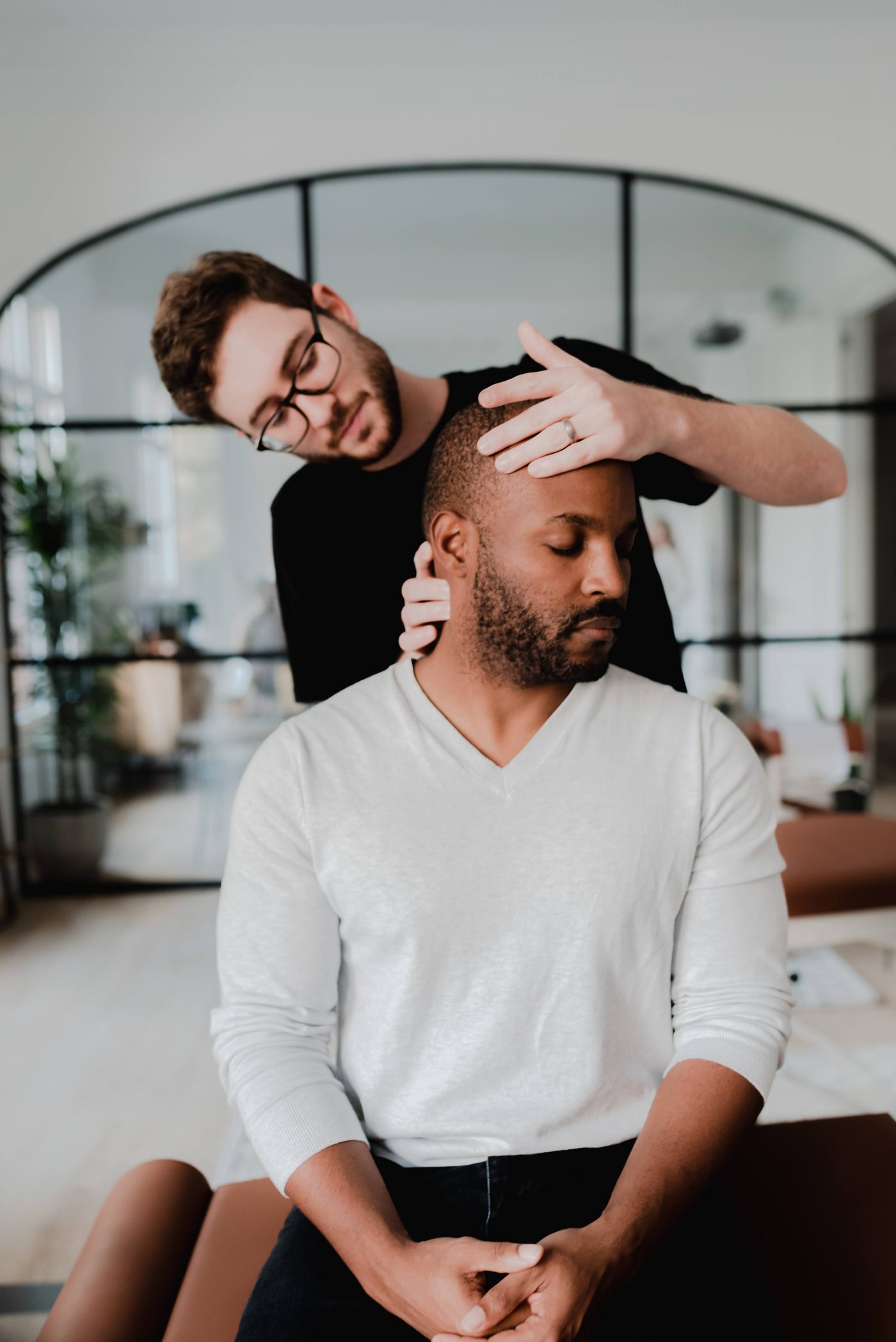
The kinds of back pain we see
- Low-back pain from long hours sitting or standing
- A "locked" back after lifting, sport or an awkward movement
- Recurring episodes that come and go for years
- Back and pelvic pain during and after pregnancy
- Stiffness on waking that eases as you move
- Pain that refers into the buttock or leg (see sciatica)
Why the pain is rarely the whole story
Pain is typically the last thing to show up and the first to go away. Underneath is usually a pattern: some segments of the spine moving too little, others compensating by moving too much, and a nervous system that has been on alert for a long time. Chasing the sore spot alone is why episodes keep coming back.
At your first visit we photograph your posture, scan your nervous system with INSiGHT and examine how each segment of your spine and pelvis moves. Your Report of Findings shows you what we found and why.
What care looks like
Specific adjustments to restore movement, with the technique that suits you (drop table, instrument or hands), plus practical advice for your desk, your lifting and your sleep. Most people notice change in the first weeks; lasting results come from completing the plan and the progress checks that go with it.
We do not diagnose or treat diseases. We assess the spine and nervous system, adjust where we find restriction, and refer you to the right specialist whenever something needs another set of eyes.
Updated: September 2026 · Dr. Kelli Turelli, DC & Dr. Francisco Turelli, DC
Frequently asked questions
Can a chiropractor help with lower back pain?
Yes, it is the most common reason adults visit us. We look for the segments that have lost movement and the way the nervous system is responding, adjust specifically and give you a plan. Many people notice change within the first visits.
Should I come while it is acute?
Usually yes. An acute episode is assessed gently, and care is adapted to what your body can tolerate that day. If we suspect something that needs imaging or another specialist, we refer you.
Do I need an MRI or X-ray first?
No. Bring any recent images you have; we only refer for imaging when it is clinically necessary.
How many visits will it take?
It depends on how long the problem has been there, your age and your goals. You get a specific recommendation, with your scan results, at your second visit.